









The subsidity Illusion
The Subsidy Illusion
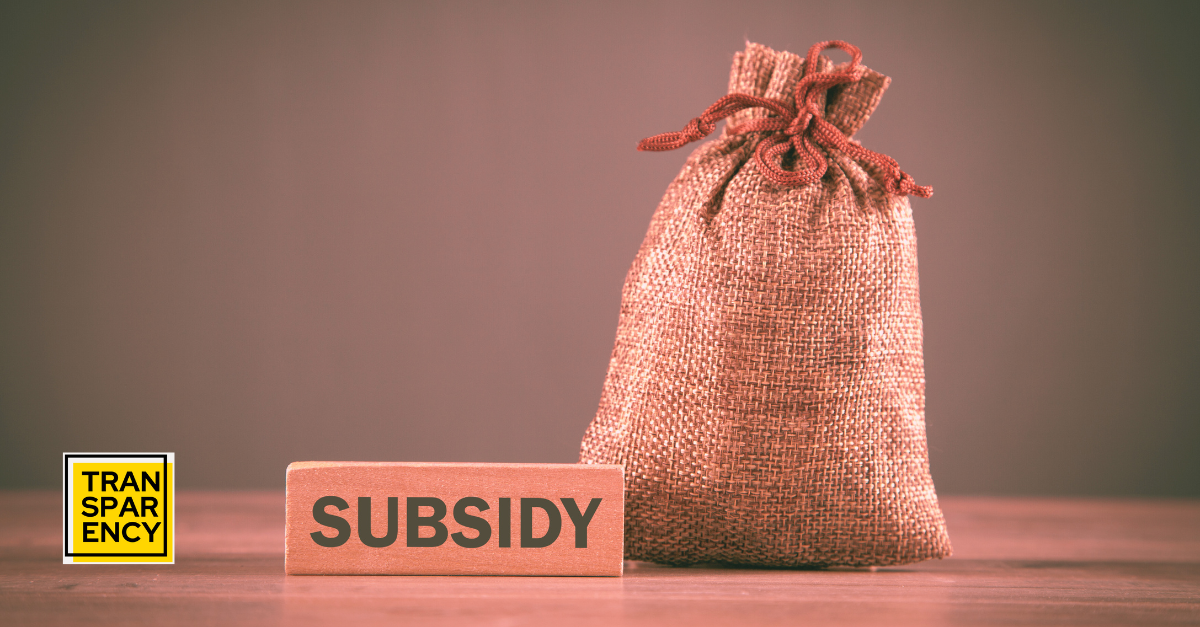
Governments are shifting gears. Not only the Trump administration. It is happeing everywhere. The sustainability goals they set yesterday are being rewritten today. Policies that once promised a low-emission future are being softened, delayed, or abandoned. And here’s the problem: almost every climate-friendly initiative out there depends on subsidies to survive.
The entire ecosystem of low-emission projects, renewable energy, sustainable fuels, carbon capture, green infrastructure, they are not economically self-sustaining yet. They won’t be for years. If governments pull back now, those projects don’t just slow down. They collapse.
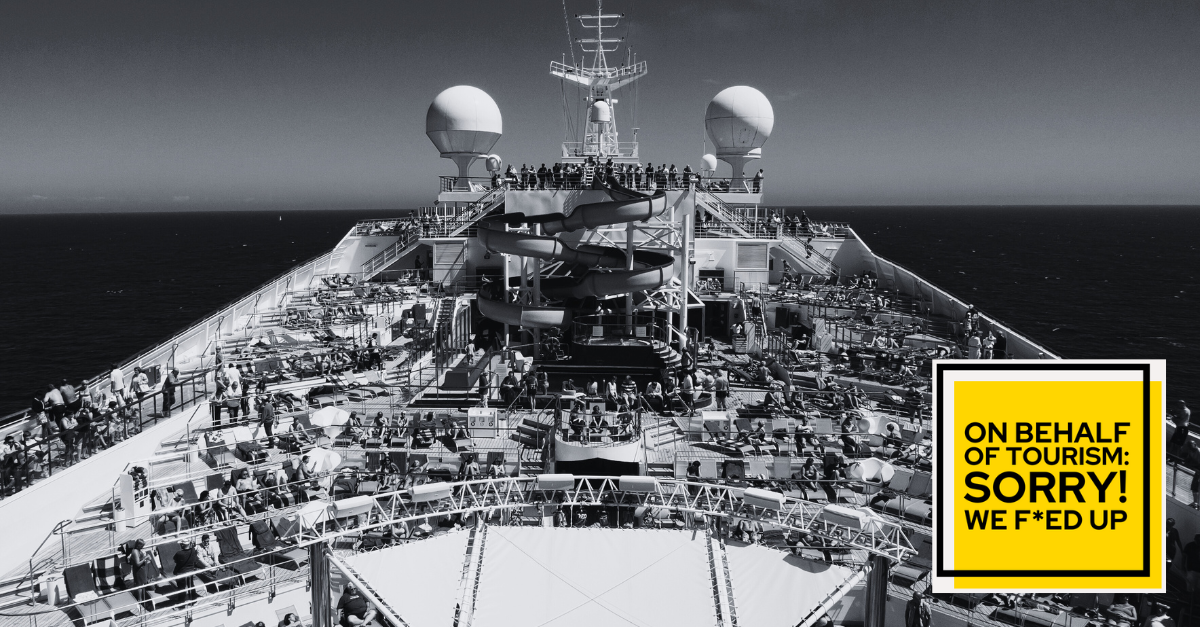
Look at Sustainable Aviation Fuel (SAF) in the EU. Airlines are required to use at least 2%, but now they complain that fuel suppliers have too much power. Market competition isn’t working, they say. But here’s the irony: air transport itself exists because of subsidies. Every year, airlines impose €210 billion in climate damages, while a €25 per tonne surcharge on SAF is framed as an unbearable burden.
If even aviation, a trillion-dollar industry, can't make its climate transition work without government support, what about the startups building new solutions? The alternative fuels, the carbon-negative materials, the electric grids built for net-zero cities? None of them can survive in a world where sustainability is treated as optional.
This is the breaking point. Either we acknowledge that a low-emission economy requires continuous public investment, or we let short-term politics erase decades of progress.
Subsidies aren’t a sign of failure. They’re a bridge to the future. Pull them now, and the bridge collapses before we ever reach the other side.